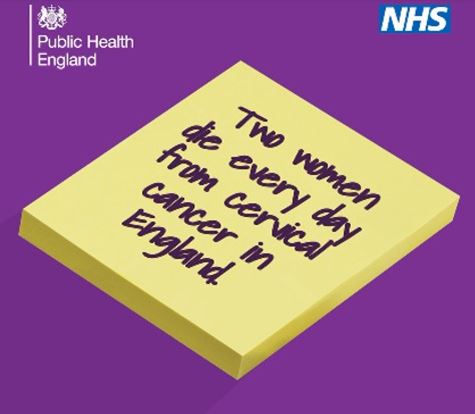
We offer cervical screening to check the health of your cervix and help prevent cervical cancer. We look for high-risk human papillomavirus (HPV). This is because it can cause abnormal changes that may lead to cervical cancer.
Finding and treating any changes early can prevent most cases of cervical cancer. Cervical cancer mostly affects women and people who have a cervix under the age of 45, but abnormal changes can happen at any age.
Cervical screening saves thousands of lives each year in the UK.
Regular cervical screening is important. You’re still at risk of cervical cancer even if you:
- have had the HPV vaccine
- have only had 1 sexual partner
- haven’t had penetrative sex
- have had the same partner, or have not had sex, for a long time
- are a lesbian or bisexual
- are a trans man or a non-binary person with a cervix
- have had a subtotal (partial) hysterectomy that did not remove your cervix
If you’ve had a total hysterectomy, you do not have a womb or cervix. This means you do not need cervical screening.
For more information, read 'Your Guide to NHS Cervical Screening' here Your guide to NHS cervical screening - GOV.UK
To view this information in another language visit Alternative Formats - Your guide to NHS cervical screening - GOV.UK